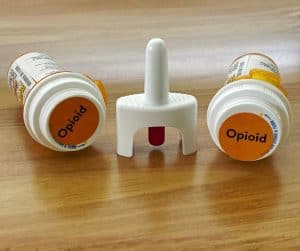
 Workplaces prepare for fires, cardiac emergencies, severe injuries, and other events where a fast response saves lives. Opioid overdose deserves a place in those emergency plans, too.
Overdoses happen in every industry, although some workers face greater risks. Construction workers, for example, have consistently experienced high rates of overdose deaths. Research has linked some of this risk to workplace injuries, chronic pain, and opioid prescribing for pain management.
The impact is especially important here in Arizona. According to the Arizona Department of Health Services’ 2023 opioid surveillance report, 195 people whose usual occupations were in construction and extraction died from unintentional or undetermined drug overdoses. They accounted for 12.8% of overdose deaths among Arizonans whose occupations were known, the largest share of any occupational category.
But overdose is not a construction-industry problem. It’s a workplace safety issue, and employers have an opportunity to prepare employees to respond.
Understanding opioid overdose
Opioids include prescription pain medications such as oxycodone and hydrocodone, as well as drugs such as heroin and fentanyl. These drugs affect the part of the brain responsible for breathing.
During an opioid overdose, breathing can become dangerously slow or stop completely. Fentanyl presents a particular concern because of its potency and its presence in the illicit drug supply.
Signs of a possible opioid overdose include:
- Unresponsiveness
- Slow, shallow, or difficult breathing
- Pinpoint pupils
- Blue or gray lips or skin
- Cold or clammy skin
- Blue nail beds
- Seizures
Put naloxone in your workplace emergency plan
Naloxone is a medication that rapidly reverses the effects of an opioid overdose. It works by blocking opioids from affecting the brain and can restore normal breathing within two to three minutes. Naloxone won’t harm someone if their overdose was caused by a substance other than opioids.
Employers should consider stocking naloxone alongside other emergency supplies and making sure employees know where it is and how to administer it.
If you suspect an opioid overdose:
- Check for responsiveness and call 911.
- Get naloxone and an AED, if available.
- Administer naloxone as soon as possible.
- If the person isn’t breathing, begin appropriate first aid, including CPR.
- If the person remains unresponsive after two to three minutes, administer another dose of naloxone.
- Stay with the person, monitor their breathing, and follow the 911 dispatcher’s instructions until emergency medical services arrive.
Training helps employees recognize an emergency and respond confidently instead of trying to figure out what to do when every minute counts.
Create a workplace where people feel supported
Emergency preparedness is only part of the response. Employers also have an opportunity to reduce the stigma surrounding substance use disorder and recovery.
Start with the language people use. Treat substance use disorder as a health issue rather than a character flaw. Encourage employees in recovery. Make employees aware of available Employee Assistance Program resources and other support. Consider recovery-supportive workplace policies that help employees seek assistance without fear of judgment.
A supportive workplace culture also makes conversations about naloxone easier. Stocking it doesn’t assume employees use opioids. It recognizes a simple reality: an overdose emergency might happen at work, and your employees should be prepared to respond.
Give your employees the skills to respond
Adding naloxone to your workplace first aid supplies is an important first step. Training employees to use it completes the picture.
Arizona Chapter National Safety Council’s First Aid, CPR & AED classes include training on naloxone administration, helping employees recognize a suspected opioid overdose and take action during an emergency. Make opioid overdose response part of your workplace emergency preparedness plan. Learn more and register here.